



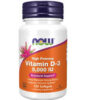

NOW Vitamin D3 1000 IU Caps 180’s in Kenya
KSh 1,765.00
A high-potency supplement delivering 1,000 IU of Vitamin D3 (cholecalciferol) per softgel. This essential fat-soluble vitamin supports bone health, immune function, and mood regulation. The 180-softgel bottle offers a 6-month supply, ideal for correcting deficiency in Kenya’s high-risk populations despite equatorial sun exposure.
Add to cart
Buy Now
Product Summary
A high-potency supplement delivering 1,000 IU of Vitamin D3 (cholecalciferol) per softgel. This essential fat-soluble vitamin supports bone health, immune function, and mood regulation. The 180-softgel bottle offers a 6-month supply, ideal for correcting deficiency in Kenya’s high-risk populations despite equatorial sun exposure.
Key Benefits
- Bone & Teeth Health: Enhances calcium absorption to prevent osteoporosis, rickets, and dental caries.
- Immune Defense: Regulates T-cell function to combat infections (e.g., flu, tuberculosis).
- Mood & Cognitive Support: Reduces depression risk and supports brain health.
- Muscle Function: Prevents weakness and cramps linked to deficiency.
- Sunlight Alternative: Critical for populations with limited sun exposure (cultural, occupational, or melanin-related).
Composition
- Active Ingredient per Softgel:
- Vitamin D3 (Cholecalciferol): 1,000 IU (25 mcg)
- Source: Lanolin (sheep’s wool oil).
- Vitamin D3 (Cholecalciferol): 1,000 IU (25 mcg)
- Other Ingredients:
- Extra virgin olive oil, gelatin (softgel), glycerin, purified water.
- Free From:
- Gluten, GMOs, dairy, soy, nuts, artificial additives.
- Bioavailability:
- Fat-soluble; best absorbed with dietary fats.
How to Use
- Dosage: Take 1 softgel daily with a fat-containing meal.
- Critical Timing:
- With breakfast or lunch (e.g., with avocado, eggs, nuts).
- Avoid evening doses (may disrupt sleep in sensitive individuals).
- Duration:
- Maintenance: Safe for long-term use.
- Deficiency Correction: 1–2 softgels daily for 3–6 months (confirm levels via blood test).
- Note:
- Do not exceed 2 softgels daily without medical supervision.
- Swallow whole; do not puncture softgel.
Potential Side Effects
- Generally Safe: Well-tolerated at 1,000–2,000 IU/day.
- Possible Reactions:
- Mild nausea, constipation, or fatigue (rare; dose-dependent).
- Hypercalcemia (excess blood calcium) only with prolonged high-dose use (>4,000 IU/day):
- Symptoms: Bone pain, kidney stones, confusion.
- Precautions:
- Avoid if:
- Hypercalcemia, sarcoidosis, or kidney stones.
- Taking digoxin, thiazide diuretics, or corticosteroids.
- Consult a doctor if:
- Pregnant/nursing (safe at RDA: 600 IU/day; high doses require monitoring).
- On anticonvulsants or weight-loss drugs (e.g., orlistat).
- Avoid if:
Frequently Asked Questions (FAQs)
1. How long does one bottle last?
At 1 softgel daily, a 180-count bottle lasts 180 days (6 months).
2. Why supplement D3 in sunny Kenya?
High deficiency rates due to:
- Melanin in darker skin (blocks UVB).
- Cultural practices (full-body clothing, indoor lifestyles).
- Air pollution (Nairobi’s PM2.5 reduces UV penetration).
3. Is 1,000 IU enough for deficiency?
For maintenance yes; for deficiency no. Deficient adults need 2,000–4,000 IU/day short-term (confirm with blood test).
4. Can children use this?
Yes for children 4+. Use 1 softgel daily. Under 4: Consult pediatrician (dose: 400–600 IU/day).
5. How does this benefit Kenyan users?
- Osteoporosis Prevention: 60% of Kenyan women >50 have low bone density.
- Tuberculosis Defense: Vitamin D reduces TB reactivation risk (endemic in Kenya).
- Affordability: 6-month supply costs ~KES 2,500–3,500 (vs. KES 1,500/month for prescriptions).
6. Does it interact with malaria meds?
No. Safe with artemisinin-based therapies.
7. Will it cause sun sensitivity?
No. Vitamin D3 does not increase photosensitivity.
8. Can I open the softgel?
Not recommended. Oil may oxidize; use liquid D3 if needed.
Who Can Benefit?
- Adults with Vitamin D deficiency (fatigue, bone pain, frequent infections).
- Elderly populations (reduced skin synthesis; high osteoporosis risk).
- Dark-skinned individuals (melanin blocks UVB).
- Urban dwellers with limited sun exposure (office workers, indoor markets).
- Pregnant/nursing mothers (prevents deficiency in mother/child).
Related products


Spiru-tein Protein Shake Vanilla 480gm in Kenya
KSh 6,360.00
Collagen Peptides Caps 120’s in Kenya
KSh 4,705.00
Reviews
There are no reviews yet.