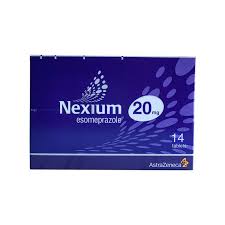
Nexium 20mg (Esomeprazole) in Kenya
KSh 1,050.00
Nexium 20mg is a prescription proton pump inhibitor (PPI) containing esomeprazole, used to treat acid-related stomach and esophagus conditions. Each enteric-coated tablet provides sustained acid suppression for up to 24 hours, offering relief from heartburn, GERD, and ulcers. Available in Kenyan pharmacies with a doctor’s prescription.
Product Description
Product Summary
Nexium 20mg is a prescription proton pump inhibitor (PPI) containing esomeprazole, used to treat acid-related stomach and esophagus conditions. Each enteric-coated tablet provides sustained acid suppression for up to 24 hours, offering relief from heartburn, GERD, and ulcers. Available in Kenyan pharmacies with a doctor’s prescription.
Key Benefits
- 24-Hour Acid Control: Reduces stomach acid production by blocking proton pumps.
- Heals Esophageal Damage: Promotes healing of erosive esophagitis caused by chronic acid reflux.
- Ulcer Prevention: Treats and prevents gastric/duodenal ulcers (including NSAID-induced ulcers).
- GERD Symptom Relief: Alleviates persistent heartburn, regurgitation, and chest discomfort.
- Enteric Protection: Coating prevents stomach acid breakdown, ensuring targeted delivery.
Composition
Active Ingredient per Tablet:
Esomeprazole (as magnesium trihydrate): 20mg
Other Ingredients:
Microcrystalline cellulose, crospovidone, hypromellose, iron oxide red, titanium dioxide, methacrylic acid copolymer, polysorbate 80, sugar spheres, talc.
Free From:
Lactose, gluten (verify with manufacturer for specific formulations).
Bioavailability:
Rapid absorption (1–2 hours); take 1 hour before meals for optimal effect.
How to Use
Dosage:
- GERD/Heartburn: 20mg once daily for 4–8 weeks.
- Ulcer Healing: 20mg once daily for 4–8 weeks.
- Maintenance: 20mg once daily long-term (under medical supervision).
Timing:
- Take 1 hour before breakfast (or largest meal).
- Swallow whole; do not crush or chew.
Duration:
- Short-term (4–8 weeks) for acute conditions.
- Long-term only if prescribed (risk of nutrient deficiencies).
Potential Side Effects
Common Reactions:
- Headache, nausea, diarrhea, abdominal pain.
- Dry mouth, dizziness, fatigue.
Serious Risks (Rare):
- Kidney Issues: Acute interstitial nephritis (symptoms: blood in urine, reduced urination).
- Bone Fractures: Long-term use may increase osteoporosis risk.
- Vitamin B12 Deficiency: Impaired absorption with prolonged use.
- Low Magnesium: Muscle spasms, irregular heartbeat (monitor levels).
Precautions:
- Avoid if: Allergic to esomeprazole or other PPIs (e.g., omeprazole).
- Medical History: Liver disease, lupus, osteoporosis, or low magnesium.
- Drug Interactions:
- Clopidogrel: Reduced efficacy (avoid concurrent use).
- Antifungals (ketoconazole, itraconazole): Decreased absorption.
- HIV Meds (atazanavir, nelfinavir): Reduced effectiveness.
- Pregnancy/Breastfeeding: Use only if clearly needed; consult a doctor.
Frequently Asked Questions (FAQs)
-
Is Nexium 20mg available over-the-counter in Kenya?
No – requires a prescription. Pharmacies may stock it under brands like Esotid or Nexpro. -
How long does one pack last?
14–30 days (depending on pack size; common: 14 or 28 tablets). -
Can I take it with antacids?
Yes – but take antacids 2 hours before/after Nexium (they reduce absorption). -
Why is it prescribed instead of omeprazole?
Esomeprazole is the S-isomer of omeprazole, offering more consistent acid control. -
Are there Kenyan alternatives?
Yes – Omeprazole (cheaper), Pantoprazole, or Rabeprazole (all require prescriptions). -
How does it benefit users in Kenya?
- Diet-Related Relief: Counters acid reflux from spicy/oily local foods (e.g., nyama choma, pilau).
- NSAID Ulcer Prevention: Protects stomachs of arthritis patients using painkillers.
-
Can I drink alcohol while using Nexium?
Alcohol worsens acid reflux – limit intake. No direct interaction with Nexium. -
What if I miss a dose?
Take it as soon as remembered unless near your next dose. Never double-dose.
Who Can Benefit
- Adults with chronic GERD or frequent heartburn.
- Patients with gastric/duodenal ulcers or NSAID-induced stomach damage.
- Those with erosive esophagitis confirmed by endoscopy.
- Individuals needing long-term acid suppression under medical supervision.
- People intolerant to H2 blockers (e.g., ranitidine).


Reviews
There are no reviews yet.