




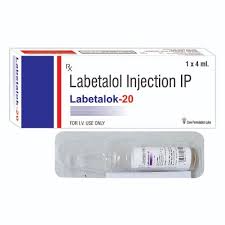
Labetalol Injection (Labetalol Hydrochloride) in Kenya
KSh 2,150.00
Labetalol injection is a prescription-only antihypertensive used for severe hypertension emergencies, including hypertensive crises, perioperative blood pressure control, and pregnancy-induced hypertension (preeclampsia/eclampsia). Each vial contains labetalol hydrochloride (5mg/mL), a combined alpha- and beta-blocker that rapidly lowers blood pressure without compromising cardiac output. Available in Kenyan hospitals under strict medical supervision.
Add to cart
Buy Now
Product Summary
Labetalol injection is a prescription-only antihypertensive used for severe hypertension emergencies, including hypertensive crises, perioperative blood pressure control, and pregnancy-induced hypertension (preeclampsia/eclampsia). Each vial contains labetalol hydrochloride (5mg/mL), a combined alpha- and beta-blocker that rapidly lowers blood pressure without compromising cardiac output. Available in Kenyan hospitals under strict medical supervision.
Key Benefits
- Dual-Action Control: Blocks α₁-receptors (reduces peripheral resistance) and β-receptors (lowers heart rate/cardiac output).
- Rapid BP Reduction: Onset within 2–5 minutes IV; peak effect in 5–15 minutes.
- Urgent-Use Flexibility:
- IV Bolus: For acute crises (e.g., stroke risk, aortic dissection).
- IV Infusion: For sustained control in ICU/operating rooms.
- Pregnancy-Safe: First-line for severe hypertension in pregnancy (does not reduce placental blood flow).
- Hemodynamic Stability: Maintains cerebral/coronary perfusion better than pure beta-blockers.
Composition
Active Ingredient per Vial:
- Labetalol Hydrochloride:
- 20mg/4mL (5mg/mL concentration)
- 100mg/20mL (5mg/mL concentration)
Other Ingredients:
Sodium chloride, hydrochloric acid (for pH adjustment), water for injection.
Free From:
Preservatives, antimicrobial agents.
Bioavailability:
100% systemic absorption IV; hepatic metabolism (half-life: 4–6 hours).
How to Use
Dosage:
- Severe Hypertension (Non-Pregnant):
- IV Bolus: 20mg slow IV push over 2 minutes. Repeat 40–80mg every 10 mins until BP controlled (max 300mg).
- IV Infusion: 0.5–2 mg/minute; titrate to response.
- Pregnancy-Induced Hypertension:
- IV Bolus: 20mg IV over 2 minutes; repeat 20–80mg every 10–30 mins (max 220mg).
- IV Infusion: 1–2 mg/minute; reduce once systolic BP <160 mmHg.
- Perioperative Control:
- IV Bolus: 5–20mg increments to maintain target BP.
Administration:
- IV Bolus: Dilute to 5mg/mL with saline/dextrose; inject slowly (≥2 minutes).
- IV Infusion: Dilute in 500–1000mL saline/dextrose; use infusion pump.
- Monitoring:
- Continuous ECG, BP (every 1–5 mins initially), heart rate.
- Stop if systolic BP drops >30% below baseline or HR <50 bpm.
Duration:
- Short-term (hours to days) until oral therapy is feasible.
Potential Side Effects
Common Reactions:
- Nausea, dizziness, scalp tingling.
- Postural hypotension (if bolus too rapid).
- Bradycardia, bronchospasm (in asthmatics).
Serious Risks:
- Cardiovascular: Heart block, cardiac failure, severe hypotension.
- Respiratory: Bronchospasm (contraindicated in asthma/COPD).
- Hepatic: Elevated liver enzymes (rare; monitor if used >72 hours).
- Neonatal: Bradycardia/hypotension if used near delivery.
Precautions:
- Avoid if:
- Asthma, COPD, severe bradycardia (<45 bpm), heart block (≥2nd degree), cardiogenic shock, decompensated heart failure.
- Hypersensitivity to labetalol.
- Medical History:
- Diabetes (masks hypoglycemia symptoms), liver/kidney impairment, pheochromocytoma.
- Drug Interactions:
- Other Antihypertensives (e.g., nifedipine): Additive hypotension.
- CYP2D6 Inhibitors (e.g., fluoxetine): Increase labetalol levels.
- Anesthetics (e.g., fentanyl): Enhance hypotension.
- Pregnancy/Breastfeeding:
- Category C: Safe for acute hypertension in pregnancy; avoid near delivery (neonatal risks).
- Excreted in breast milk (use with caution).
Frequently Asked Questions (FAQs)
-
Is Labetalol injection available over-the-counter in Kenya?
No – prescription-only, restricted to hospitals/ICUs. Available at Kenyatta National Hospital, Aga Khan University Hospital, and major referral centers. -
How much does it cost?
~KES 2,000–5,000 per vial (20mg/4mL); rarely covered by NHIF. -
Why use Labetalol instead of other antihypertensives?
Dual-action mechanism provides rapid, controlled BP reduction without compromising organ perfusion—ideal for emergencies. -
Can it be used for chronic hypertension?
No – transition to oral therapy (e.g., labetalol tablets, nifedipine) once stable. -
Are there Kenyan alternatives?
Yes – Hydralazine (cheaper, first-line in pregnancy) or Sodium Nitroprusside (for ICU-managed crises). -
How does it benefit users in Kenya?
- Pregnancy Safety: Critical for managing preeclampsia (12% of Kenyan maternal deaths).
- Stroke Prevention: Rapid BP control reduces hemorrhagic stroke risk.
- Cost-Effective: Shorter ICU stays vs. nitroprusside (which requires invasive monitoring).
-
What if BP drops too low?
Stop infusion; elevate legs; give IV fluids/vasopressors (e.g., dopamine) if severe. -
Can it be given orally?
No – injection is for emergencies only. Oral labetalol is available for maintenance.
Who Can Benefit
- Hypertensive Emergencies:
- Diastolic BP >120 mmHg with organ damage (e.g., encephalopathy, renal failure).
- Aortic dissection, acute heart failure.
- Pregnant Women:
- Severe preeclampsia/eclampsia (systolic BP ≥160 mmHg).
- Perioperative Patients:
- BP control during surgery (e.g., cardiac, neurosurgery).
- ICU Patients:
- Autonomic hyperreflexia, withdrawal syndromes.
Related products
Modafinil 200mg in Kenya
KSh 7,500.00
Concerta 36mg in Kenya
KSh 7,050.00

Reviews
There are no reviews yet.