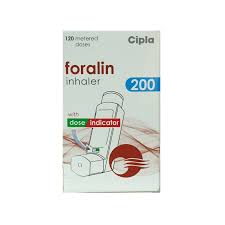
Product Overview
Foralin 200 (Fluconazole 200mg) is a prescription antifungal medication used to treat:
- Systemic fungal infections (e.g., cryptococcal meningitis, candidemia).
- Mucosal candidiasis (oral, esophageal, or vaginal thrush).
- Dermatophytosis (ringworm, athlete’s foot).
- Prophylaxis in immunocompromised patients (e.g., HIV/AIDS, chemotherapy).
Approved by the Kenya Pharmacy and Poisons Board (PPB), Fluconazole works by inhibiting fungal cell membrane synthesis. It is available as tablets/capsules and IV infusions in hospitals.
Composition
Each tablet/capsule contains:
- Active Ingredient: Fluconazole (200mg).
- Inactive Ingredients: Lactose, maize starch, colloidal silicon dioxide, magnesium stearate.
Key Benefits:
- Broad-Spectrum Action: Effective against Candida, Cryptococcus, Dermatophytes.
- High Oral Bioavailability: >90% absorption, allowing oral use even for severe infections.
- Once-Daily Dosing: Convenient for outpatient treatment.
How to Use
Dosage & Administration:
- Adults:
- Vaginal Candidiasis: Single 150mg dose (Foralin 200 may be split).
- Oropharyngeal/Esophageal Candidiasis: 200mg on Day 1, then 100mg daily for 7–14 days.
- Cryptococcal Meningitis: 400mg on Day 1, then 200–400mg daily for 8–10 weeks.
- Prophylaxis (HIV): 200mg weekly.
- Children:
- 3–6 mg/kg/day (max 400mg/day).
- Administration:
- Swallow whole with water; can be taken with or without food.
- IV infusion reserved for severe cases (hospital-administered).
Critical Precautions:
- Renal Impairment: Dose adjustment required (e.g., 50% reduction if CrCl <50 mL/min).
- Liver Disease: Avoid if severe hepatitis; monitor LFTs.
- Pregnancy: Avoid (especially in first trimester – risk of fetal abnormalities).
- Drug Interactions:
- Avoid With: Rifampicin (reduces efficacy), warfarin (increases bleeding risk), statins (rhabdomyolysis risk).
- Antacids: Take 2 hours apart.
Side Effects
Fluconazole is generally well-tolerated but may cause:
- Common:
- Headache, nausea, abdominal pain.
- Rash, dizziness.
- Serious (Seek Immediate Help):
- Liver Toxicity: Jaundice, dark urine, fatigue (discontinue use).
- Severe Allergy: Stevens-Johnson syndrome (blistering skin), anaphylaxis.
- Cardiac Risks: QT prolongation (arrhythmia risk – especially with other QT-prolonging drugs).
- Hair Loss (rare; reversible after stopping).
Black Box Warning:
- Hepatotoxicity: Fatal liver damage reported, especially with pre-existing liver disease or prolonged use.
- Pregnancy: Associated with congenital defects (e.g., cleft palate).
Frequently Asked Questions (FAQs)
Q1: Where can I buy Foralin 200 (Fluconazole 200mg) in Kenya?
A: Available at all major pharmacies (Goodlife, Medplus, Lifestores) and public hospitals (e.g., KNH, MTRH) with a prescription. Online via MyDawa or Jumia.
Q2: What is the price of Fluconazole 200mg in Kenya?
A:
- Generic (e.g., Foralin): KES 50–100/tablet.
- Branded (Diflucan): KES 250–400/tablet.
Prices vary by retailer and quantity.
Q3: Is Fluconazole covered by NHIF in Kenya?
A: Yes, for:
- Cryptococcal meningitis in HIV patients.
- Severe systemic candidiasis.
Covered under the National HIV/AIDS Program.
Q4: Can I use Fluconazole for skin fungal infections?
A: Yes, but topical antifungals (e.g., clotrimazole) are preferred for mild cases. Oral Fluconazole is reserved for extensive/resistant infections.
Q5: How long does it take to work?
A: Symptom relief in 1–3 days (vaginal thrush); 2–7 days (oral/esophageal); weeks (systemic infections).
Q6: Can I drink alcohol while taking Fluconazole?
A: Avoid alcohol – increases liver toxicity risk.
Q7: Are there alternatives to Fluconazole?
A: Yes:
- Voriconazole (for resistant Aspergillus).
- Amphotericin B (for severe systemic infections – IV only).
- Itraconazole (for dermatophytosis).
Q8: Can Fluconazole treat tinea capitis (scalp ringworm)?
A: Yes, but griseofulvin or terbinafine are first-line. Fluconazole is used if others fail.
Conclusion
Foralin 200 (Fluconazole 200mg) is Kenya’s most accessible antifungal, critical for managing life-threatening infections like cryptococcal meningitis in HIV patients. Its affordability, oral efficacy, and NHIF coverage make it indispensable in public health programs. However, its risks (liver toxicity, birth defects) demand strict prescription use and monitoring.
For Safe Use:
- Never self-medicate – misdiagnosis delays proper treatment.
- Complete the full course – stopping early causes resistance.
- Monitor liver function if using >14 days.
- Choose generics – same efficacy as branded Diflucan at lower cost.
Prioritize expert care – consult an infectious disease specialist for severe fungal infections!


Reviews
There are no reviews yet.