Overview
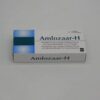
Epilim 200 contains sodium valproate 200mg, an anticonvulsant and mood stabilizer used to treat epilepsy (focal and generalized seizures), bipolar disorder, and migraine prevention. It works by increasing GABA levels in the brain, stabilizing electrical activity and mood. Available as 200mg enteric-coated tablets in Kenya, it requires prescription and strict monitoring due to significant risks.
Composition
- Active Ingredient: Sodium valproate 200mg per tablet.
- Form: White, enteric-coated, oval tablets (prevents stomach irritation).
- Inactive Ingredients: Colloidal silica, hypromellose, magnesium stearate, titanium dioxide, talc.
Side Effects
Common
- Gastrointestinal: Nausea, diarrhea, abdominal pain, indigestion.
- Neurological: Tremor, drowsiness, dizziness, hair loss.
- Weight Gain: Due to increased appetite.
Serious Risks
- Hepatotoxicity:
- Symptoms: Jaundice, dark urine, fatigue (risk highest in first 6 months).
- Action: Stop immediately; monitor liver enzymes (ALT/AST).
- Pancreatitis:
- Symptoms: Severe abdominal pain, vomiting.
- Action: Discontinue and hospitalize.
- Teratogenicity:
- Pregnancy: Causes neural tube defects (e.g., spina bifida).
- Action: Avoid in women of childbearing age unless no alternatives.
- Blood Disorders: Thrombocytopenia (low platelets), anemia.
- Hyperammonemia: Encephalopathy (confusion, lethargy).
How to Use
- Dosage:
- Epilepsy: Start 200mg twice daily; increase by 200mg every 3–7 days (target: 1,000–2,000mg/day).
- Bipolar Disorder: Start 200mg twice daily; max 1,000mg/day.
- Migraine Prevention: 200mg twice daily.
- Administration:
- Take with food to reduce GI upset.
- Swallow whole; do not crush/chew (enteric coating).
- Monitoring:
- Liver Function: ALT/AST at baseline, then monthly for 6 months.
- Blood Counts: CBC at baseline, then every 3 months.
- Ammonia Levels: If encephalopathy suspected.
- Precautions:
- Avoid if: Liver disease, pancreatitis history, mitochondrial disorders.
- Drug Interactions:
- Carbamapenem Antibiotics (e.g., meropenem): Reduce valproate levels (avoid).
- Lamotrigine: Increases lamotrigine levels (reduce lamotrigine dose).
- Aspirin: Increases free valproate levels.
Frequently Asked Questions
-
Is Epilim 200 available over-the-counter in Kenya?
No – prescription-only by neurologists/psychiatrists. -
How much does it cost?
~KES 100–300 per pack (28 tablets). Generics cost KES 50–150. -
Does NHIF cover it?
Partially – covered for epilepsy/bipolar disorder under chronic illness scheme (co-payment required). -
Can it be used for children?
Yes – dose adjusted by weight (e.g., 20–30mg/kg/day). -
What if liver enzymes rise?
Stop immediately and consult a doctor; may need alternative therapy. -
Are there cheaper alternatives?
Yes – sodium valproate generics (e.g., Valprol, Valparin) cost 30–50% less. -
Is it safe during breastfeeding?
Caution – excreted in milk; monitor infant for drowsiness/poor feeding. -
How long does one pack last?
7–14 days (2–4 tablets/day).
Conclusion
Epilim 200 is a versatile, cost-effective option for epilepsy, bipolar disorder, and migraines in Kenya, offering flexible dosing for titration. While affordable and partially NHIF-covered, its teratogenicity and hepatotoxicity risks demand rigorous monitoring. The 200mg strength is ideal for initiating therapy or for patients requiring lower doses (e.g., elderly, children). Generics provide significant cost savings, but liver safety and pregnancy prevention are non-negotiable. Always prioritize regular lab monitoring and patient education on recognizing early signs of toxicity. In Kenya’s resource-limited settings, Epilim 200 remains a cornerstone therapy but requires vigilant risk-benefit assessment, especially for women of childbearing age.


Reviews
There are no reviews yet.