
Product Overview
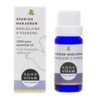
Aqua Oleum Myrrh Essential Oil is steam-distilled from the resin of Commiphora myrrha (myrrh tree). It delivers a smoky, balsamic-woody aroma and is prized for:
- Wound healing (promotes tissue regeneration, fights infection in cuts/sores).
- Skin rejuvenation (reduces scars, wrinkles, and cracked skin in arid climates).
- Anti-inflammatory action (soothes eczema, psoriasis, and fungal infections).
- Respiratory support (eases bronchitis, coughs, and mucus congestion).
- Spiritual grounding (used in meditation and traditional cleansing rituals).
In Kenya, it bridges ancient wellness traditions (Somali dabqaad incense, Swahili ungwaa) and modern skincare, especially valued for wound care in rural/remote areas.
Key Advantages:
- High furanodiene/curzerene content (40–60% – potent anti-inflammatory/antimicrobial).
- Resin-derived richness (thicker consistency; slower absorption for lasting effects).
- Climate-resilient (stabilizes skin in dry/harsh environments).
Frequently Asked Questions (FAQs)
-
What is myrrh oil used for?
- Primary:
- Wound care (minor cuts, sores, ulcers – prevents infection).
- Scar/skin rejuvenation (sun damage, stretch marks, cracked heels).
- Secondary:
- Respiratory steam inhalation (persistent coughs, bronchitis).
- Spiritual purification (meditation, ritual cleansing).
- Primary:
-
Is it available in Kenya?
- Yes, stocked in premium wellness stores and aromatherapy retailers.
- Cost: ~KES 2,800–3,800 per 10ml bottle (premium resin oil).
-
How does it differ from frankincense?
FeatureMyrrhFrankincenseScent Smoky, medicinal Woody-balsamic Consistency Thick, viscous Thin, fluid Primary Use Wounds/scars Skin rejuvenation Price (10ml) KES 2,800–3,800 KES 2,500–3,800 -
Can it heal Kenya’s “cracked foot syndrome”?
- Yes, effectively:
- Dilute 2% in shea butter; apply to cracked heels nightly.
- Reduces fissures in arid/highland regions (e.g., North Eastern, Rift Valley).
- Yes, effectively:
-
What are the side effects?
- Mild: Skin warmth (normal for resin oils).
- Serious (seek help):
- Blood-thinning interactions (avoid with warfarin/aspirin).
- AVOID if: Pregnant (uterine stimulant), with bleeding disorders.
How to Use Aqua Oleum Myrrh Essential Oil
-
Wound/Skincare Support:
MethodInstructionsWound Healing 1% in honey; apply to cleaned cuts/sores Scar Treatment 2% in rosehip oil; massage into scars 2x daily Cracked Heels 2% in shea butter; apply nightly with socks -
Topical Application (DILUTED):
Use CaseDilutionMethodEczema/Psoriasis 1% in calendula oil Apply to inflamed patches 2x daily Fungal Infections 1% in neem oil Dab on affected area (e.g., athlete’s foot) Respiratory Steam 1 drop in hot water; inhale 5 mins -
Spiritual/Household Uses:
- Meditation Blend: 2 drops + 2 frankincense in diffuser (grounding).
- Natural Preservative: 5 drops + 100ml jojoba oil (prevents rancidity in skincare products).
-
Critical Precautions:
- DILUTION IS MANDATORY: Use 1–2% (1–2 drops per 10ml carrier oil).
- WARM BOTTLE FIRST: Myrrh thickens in cool climates – warm in hands before use.
- BLOOD-THINNING MEDS: STRICTLY AVOID (critical in malaria-endemic areas).
- Pregnancy: AVOID (may stimulate contractions).
- Patch Test: Apply diluted oil to inner arm; wait 24 hours.
Composition
- Active Compounds:
CompoundPercentageTherapeutic Action
Furanodiene 25–35% Anti-inflammatory, antimicrobial Curzerene 15–25% Wound-healing, analgesic Lindestrene 10–15% Skin-rejuvenating, antifungal - Extraction Method: Steam distillation of resin tears (thick, slow process).
- Purity: 100% Commiphora myrrha resin oil (GC/MS tested).
- Packaging: 10ml amber glass bottle with dropper cap (viscosity-resistant).
Conclusion
Aqua Oleum Myrrh Essential Oil is a sacred-meets-science staple in Kenya, ideal for:
- Rural/remote communities (wound care where clinics are distant).
- Arid-region residents (cracked skin/scars in dry/harsh climates).
- Spiritual practitioners (traditional cleansing/meditation rituals).
Key Considerations for Kenyan Users:
- Cultural Heritage: Complements Somali dabqaad (myrrh incense) and Swahili ungwaa (herbal steam baths).
- Climate Adaptation: Its wound-healing properties combat infection risks in dusty/arid regions (e.g., Mandera, Wajir).
- Safety Priority: Blood-thinning warnings are critical – Kenya’s high malaria prevalence makes anticoagulant use common.
- Local Blending: Mix with frankincense (spiritual) or honey (wounds) for enhanced effects.
Disclaimer: Not for internal use. For infected wounds or chronic skin conditions, consult a physician.


Reviews
There are no reviews yet.